Did I ever mention FILTERS?

In this instance I’m not considering colored filters – pretty much useless since modern digital treatment of color images, but still quite useful for black and white film.

No, here I’m more concerned with protection for the front element of the lens. The front element has several coatings to protect it from spray, reduce internal reflections in the lens etc. but an important factor, IMHO, is physical ‘abuse’.

Anyone can fall over, or have objects projected against the lens and for a few €uros I think a protective filter is worth the effort.
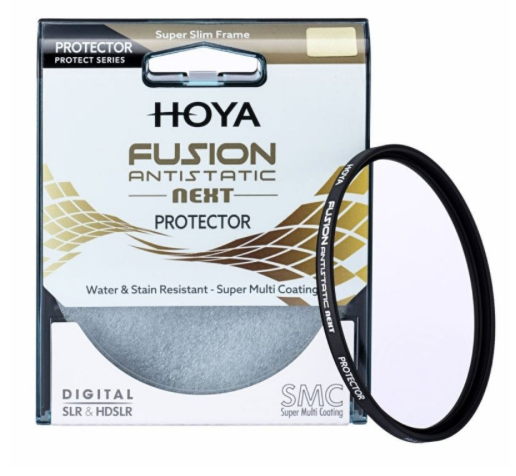
Protection for your front lens element…

There are (obviously) people who refute this, saying that yet another glass-to-air surface between the world and the image sensor is just calling for additional reflections and a general reduction in image quality (IQ)

I’d be inclined to agree with cheap and cheerful ‘UV’ (Ultraviolet) filters, but nowadays the decent manufacturers (Hoya for example) know better than to chuck any old glass into a round frame and call it a filter. Modern protective filters are multicoated on both sides and manufactured from high quality materials – in addition the mounts are getting thinner and thinner.

It’s common to use a circular polariser and a neutral density filter together, but. adding too much ‘thickness’ on the front of the lens used to be a problem – these thinner filter mounts cause a lot less of a problem with the ‘vignette’ effect of stacking filters on, for example, wide-angle lenses.

There are obviously some exceptions to this ‘rule’ – extreme wide angle lens often have domed front elements which prevent using filters – this said, the lens designers seem to be coming to their senses and these are getting much less common.

Fish-eye lenses are another ‘speciality’ lens with a very pronounced front element…but I’m not going there!

My advice, use a protective filter – and save the front elements of your lenses.
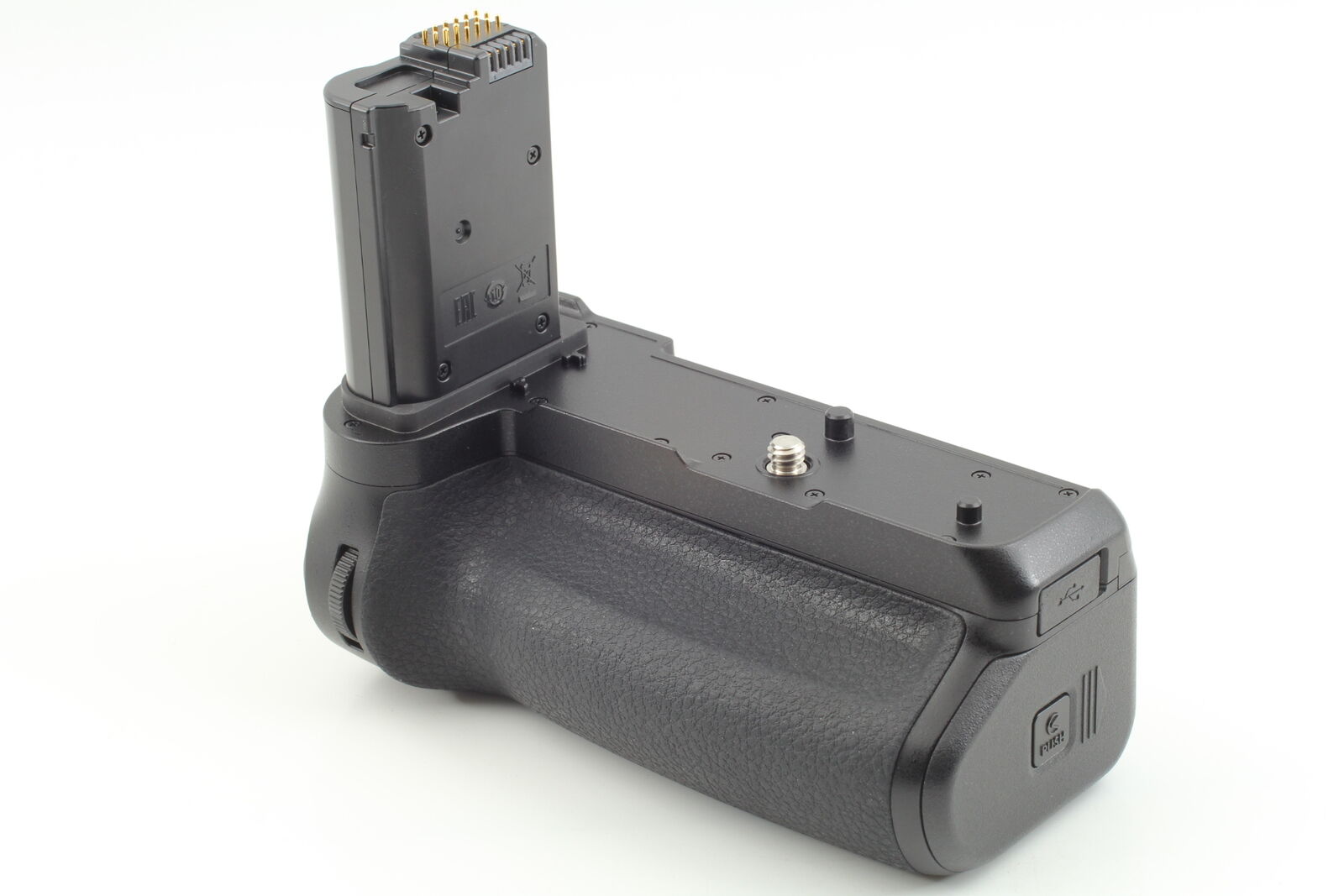
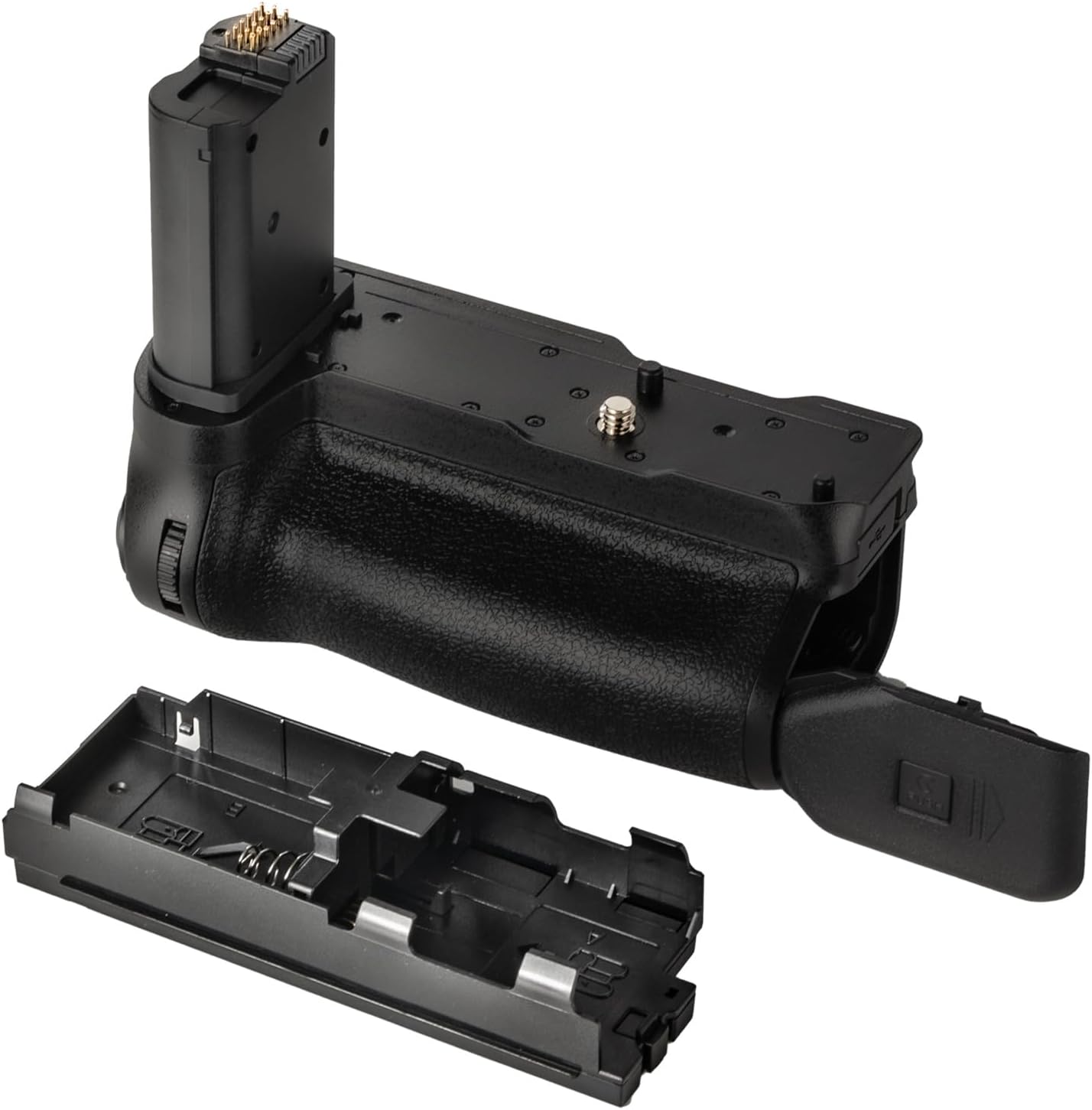
Battery Pack anybody?

Some modern digital cameras have very small batteries…these were fine for the DSLR type of camera, but a mirrorless camera uses a lot more power and as a consequence, tends to empty batteries faster than before.

It obviously helps to reduce the amount you use the rear screen, but the viewfinder also uses a lot of power, and it’s quite useful to be able to see what you’re aiming at…(although it’s fairly obvious to me that some people are pretty much incapable of even doing that…)

Nikon, in their great wisdom, have decided to provide us with horrendously expensive add-on battery packs for the full-frame Z series (Z6ll,7ll and 8) – these are essentially the same body, same battery tray, but different top plate to accommodate the different body formats (between the 6/7 and 8)

This is the MB-N11 for the Z6ll/7ll

This is the MB-N12 for the Z8

So can you spot the difference? Yes, the top plate on the lower model is very slightly wider…wouldn’t it be easier just to make a single model, but with add-on top plates? Of course it would, but they’d make 50% less cash on sales…

Anyway, Nikon have included a crafty battery tray which holds two EN-EL15 batteries (the EN-EL15c can be charged within the grip just plug in a charger with a USB-C cable and off you go.) The crafty bit is that when the tray is slid into position, the battery nearest the door can still be removed from the grip – which means that if you’re in a high battery use situation, when the camera automatically switches over to the second battery (keeping the camera power still on) the first battery can be replaced with a charged-up version without having to turn the camera off etc.

The first and by far the most contentious (IMHO) thing you spot is that Nikon have decided to go backwards (think D7000) and instead of a series of contacts on the bottom plate of the camera for connecting to accessories/battery packs such as this, there is now a stalk with the electrical connections on top.

I’m sure there are all sorts of great marketing ploys to justify this (kept dry, protects the delicate contacts etc.) but it makes the battery pack unwieldy and you can’t just slide it into a pocket, or your bag, as we did with previous (think D850) battery packs.

Oh, and it’s about three times the price of the older units !

UPDATE : NIKON have just released the MB-N14 battery pack for the newly released Z6lll – same old, same old – just the top plate changes to accommodate the slightly deeper body.