Keeping lenses clean

People get paranoid about dust and fingerprints on the front elements of their camera lenses. I can understand this, up to a point, but it’s funny that people go bananas about muck on their lenses, and then never clean the camera sensor…

Dust or fingerprints on the front element won’t ever appear in the picture – if they are REALLY huge they could cause a slight ‘softening’ of the image, but you would have to have really good eyes to see the soft area. Muck on the rear element, which is much closer to the film/sensor, is more likely to create ‘soft spots’ but again, it would have to very noticeable.

Example: imagine a drop of water on the lens of your glasses/sunglasses – you know it’s there, as you can see ‘something’ but it’s not at all well defined.

I’ve just started noticing a mark on my images when I use my IRIX 11mm f/4 lens. Initially though this was sensor dust, as it was an out-of-focus blob appearing in the same place on every image.

I cleaned the front, and rear elements of the lens, and I also cleaned the sensor. The blob hadn’t gone away.

Blob of dust, or something, just to the left and above Dartagnans head.

I tried other wide angle lenses – no blob – so back to the IRIX. I shone a bright LED light through the lens, and at one particular area there is ‘something’ which doesn’t move when I move the light – the culprit?

This could be a number of things – it could be fungus or mold which is growing on the surface in between two lens elements, or it could just be dust that has somehow managed to worm it’s way in…hard to say – but it’s very annoying. As this lens is not a zoom lens, it’s difficult to imagine how dust could have got in through the mechanism.

As for fungus, this usually happens if the lens has ben stored in a humid environment – which is not the case here. Fungus used to occur a lot more 40 or 50 years ago when the internal lens elements had no anti-reflective coating and any air-born fungus could stick to the surfaces much more easily.

This is annoying, but not the end of the world – it can be ‘corrected’ (removed) in Lightroom, but I’m more concerned about it growing larger…

I’ve contacted IRIX – we’ll see what they come up with…

Update : I’ve been given an address in Krakow, Poland by IRIX in Switzerland – and a price of « between 28 and 30€ » – so I’ll send it off and we’ll see.
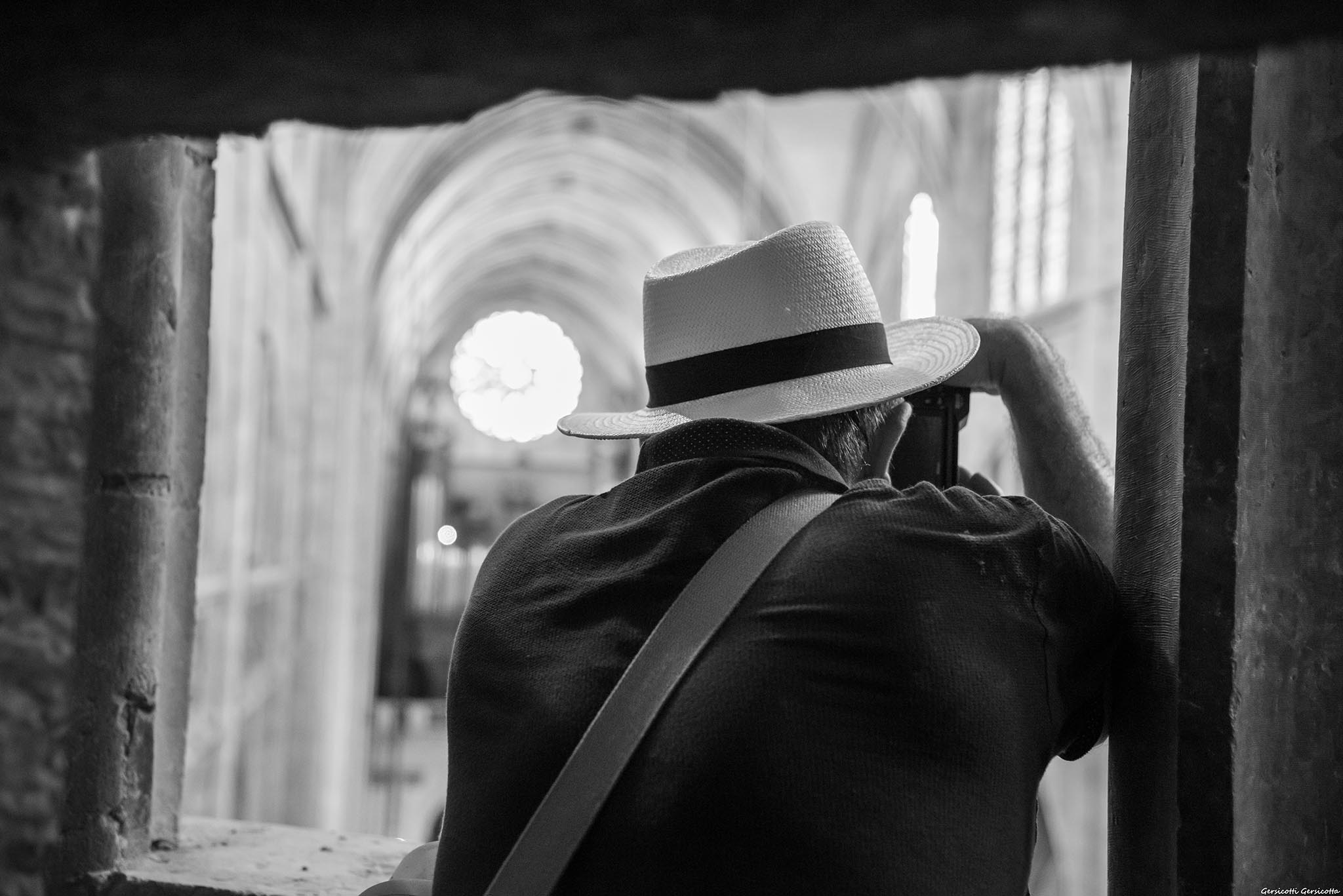
Who dat man?

Anyone who knows me knows that I don’t really like photos of me – however someone has finally managed to take one of me that I really appreciate.

(C) Sylvie HANNOYER aka Gersicotti Gersicotta

Thank you Sylvie!

Platy-what?

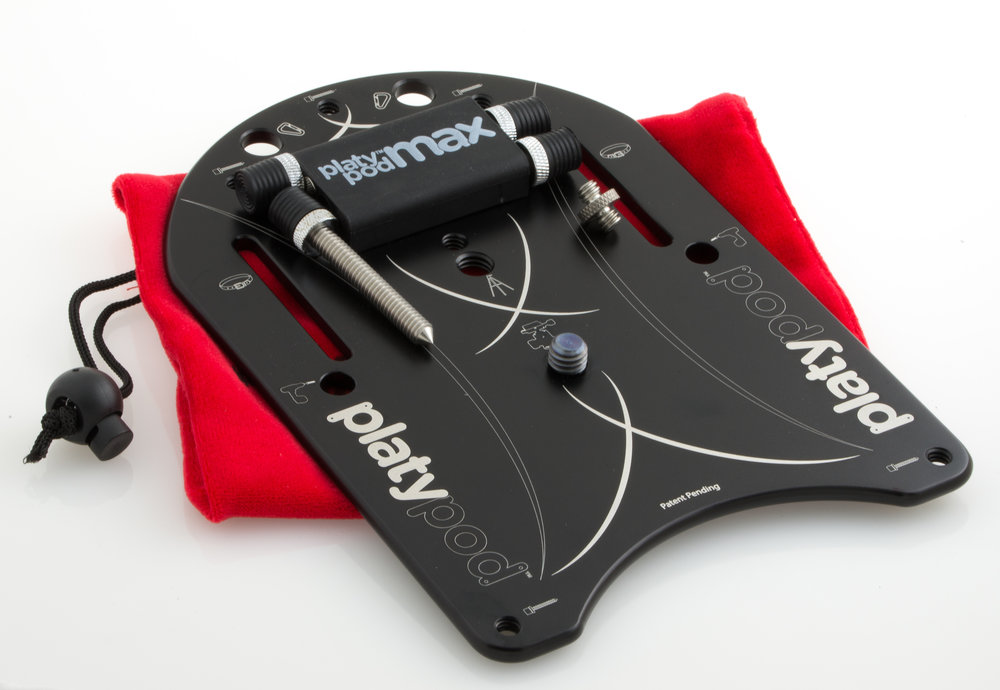
Yesterday I received my Platypod (R) – it’s a fiendishly simply way of getting photographers to fork out huge sums of money for what is essentially a simple metal plate…however, it does have certain advantages over a ‘simple metal plate’.

I am a fan of ultra-wide angle lenses – on a full-frame (24x36mm) camera, ultra-wides start at about 18mm and as the number reduces, the angle of view increases…my widest ultra-wide is 11mm…this is a staggering 126° angle of view (as an example, a 20mm lens has a 94° angle)

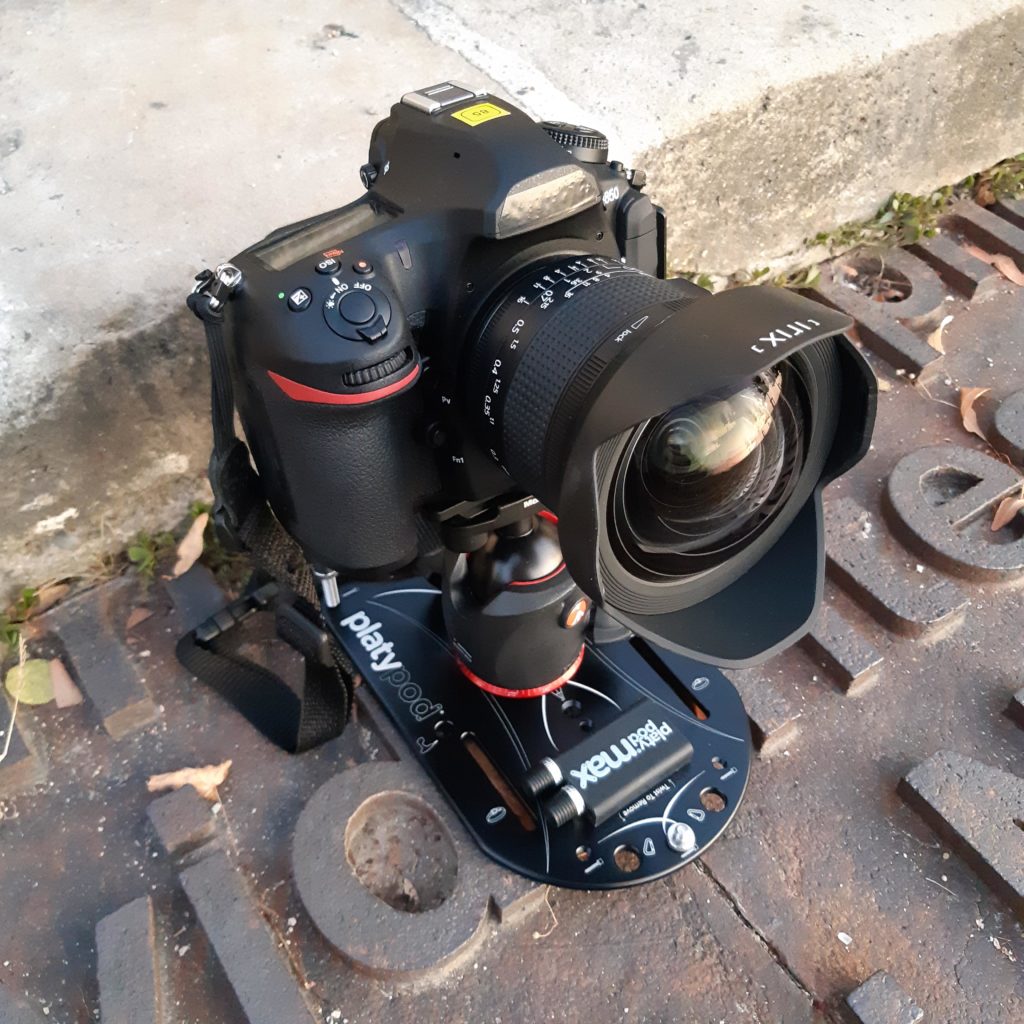
One way of making visually impressive images with a wide angle lens is to get a really low viewpoint. When you’re doing this in near darkness, a tripod is a huge help – however, sometimes it’s not practical to carry a tripod, and additionally, many tripods don’t unfold particularly ‘low’.

This is where the Platypod comes in.

Platypod ‘Max’

One simply screws a ball and socket mount onto the centre screw and off we go.

Camera mounted on ball & socket head

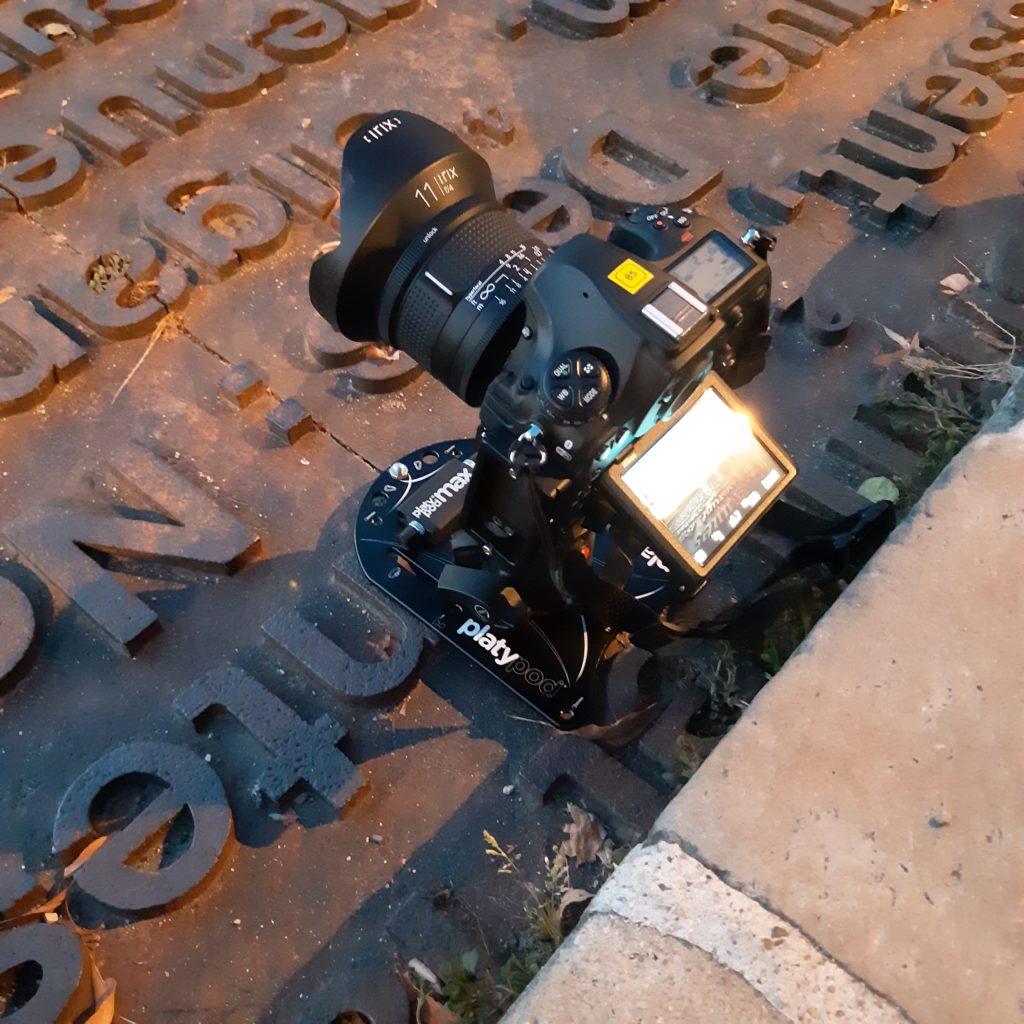
Having a tilting read screen also helps…unless you actually like laying on the ground trying to squint through the viewfinder…

So this allows a very low viewpoint, which means we can produce images such as these…

Conclusion

Despite what I said at the start of this article, my first outing has convinced me of its qualities. It is a very well thought out ‘simple metal plate’ and I can fully understand how their Kickstarter crowdfunding campaign was so popular.

I used two of the threaded screws to adjust the plate, not to be perfectly horizontal (I can do that with the ball-head) but to create a stable base. The length of the plate has been thoughtfully designed to be able to use longer telephoto lenses, and the storage of the screws is very well though out too. Each screw has a ‘rubber’ cap AND an adjustable locking collar, (the opposite end of the screw being a point)- this means you can turn the screw to the desired length, then ‘lock’ it in place – I find it all works very easily.

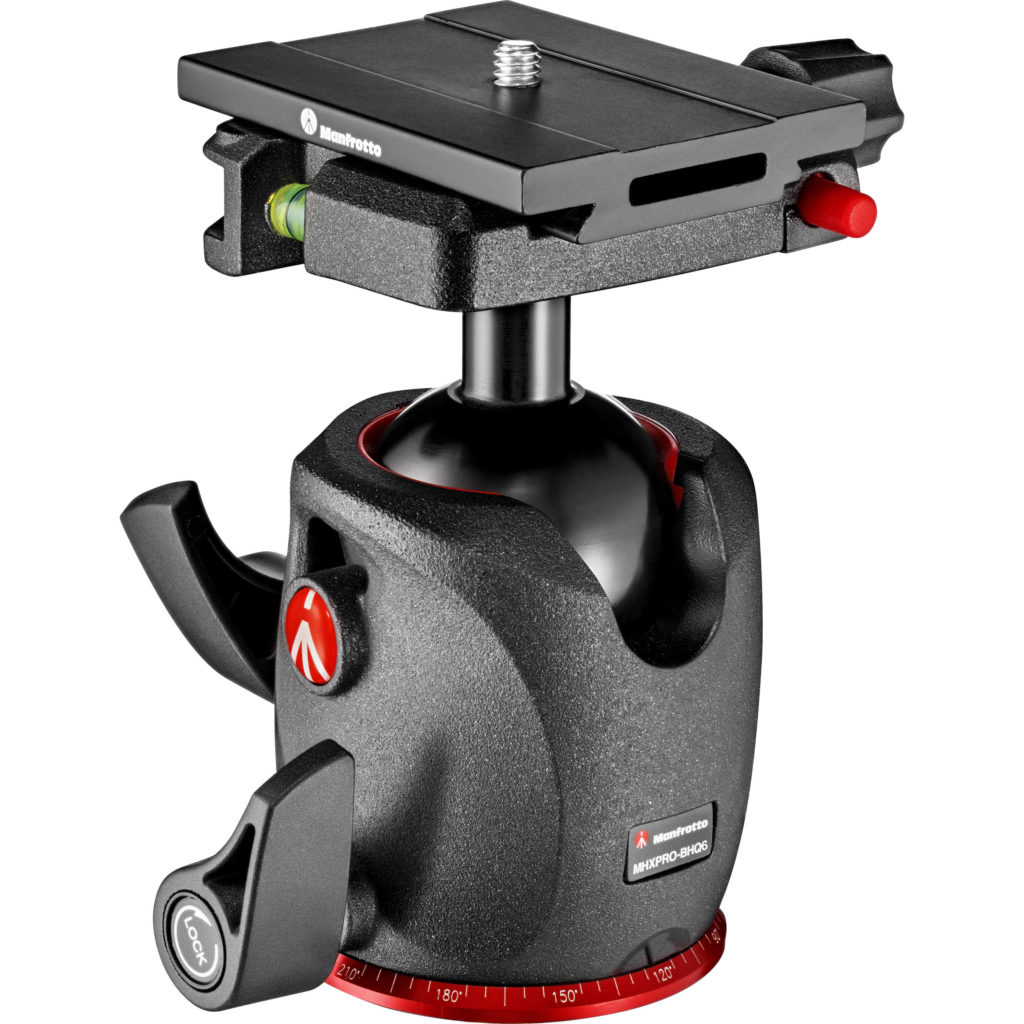
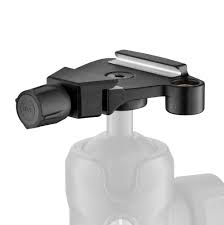
Of course, it helps to have ball-head handy – which I just happen to have in my vast collection of ‘bits’ – this one is a Manfrotto MHXPRO which I’ve kitted out with the Manfrotto Arca mounting plate the MSQ6T (The ‘quick release’ plate shown mounted on the ball-head is a complete disaster, hence the change) as all my cameras/L-plates are equipped with Arca style quick release mounting plates. The advantage of this ball-head is the weight – it’s made from a magnesium alloy and doesn’t weigh a tonne!

Manfrotto MHXPRO-BHQ6
MSQ6T adaptor

Who are these people?

We did something unprecedented this weekend – we went to someones wedding!

A close friend of my daughter was getting married in a church (all the bells and whistles) and we were invited – this is only the third I’ve ever been to in my life – fun was had by all.

And I bought a hat…