Evolution – Nikon style

This article is more about what I would like to happen in the near future…

Cameras evolve, users too – this is inevitable, and if a camera stays more or less ‘in time’ with events over a 5 year period, this is almost outstanding and shows a great deal of thought went into the initial design. Camera manufacturers don’t always want this, of course – they want people to buy at a regular interval, so while some critics bemoan the lack of forethought, it’s more likely designed-in to encourage us to keep ‘updating’.

The ‘pro’ range of most of the current camera manufacturers will usually escape this logic – their buying public are notoriously fickle and are likely to change brands at the drop of a hat, so in my experience the BIG manufacturers tend to go the whole nine yards, pushing the envelope as far as they can, within reasonable practical, and financial, boundaries. The middle-of-the-road and amateur models tend to get ‘splashed’ by the advent of certain ‘pro’ updates, but it’s fairly clear that while a ‘pro’ model will have a certain number of firmware updates during it’s life cycle, the others tend to be relaunched with a new model number.

The Nikon Z series is of particular interest to me. The two current camera bodies are identical – the only thing that changes is the sensor. To me, at least, this doesn’t make one body more or less ‘pro’ than the other, but Nikon are aiming to convince a lot of people that ‘mirrorless’ is the future, and unlike Canon who have marked their territory with an almost ‘pro’ version, and just last week, a much lower price (and specification) ‘public’ version of their full-frame mirrorless camera.

There are sadly a couple of things missing from the current Nikon offering, and frankly I’m at a loss to understand why. Neither can be ‘corrected’ with a firmware update, and both come down to a basic design flaw, in my mind.

1: Two button card reformat.

For quite a while now NIKON have used a simple ruse of letting the photographer press two buttons at once to reformat the memory card. For the most part this is on the ‘pro’ bodies, but can also be found on the D600 etc.
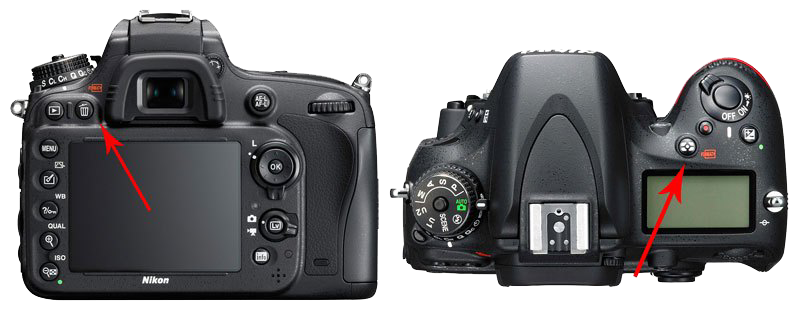
Nikon two button card reformat

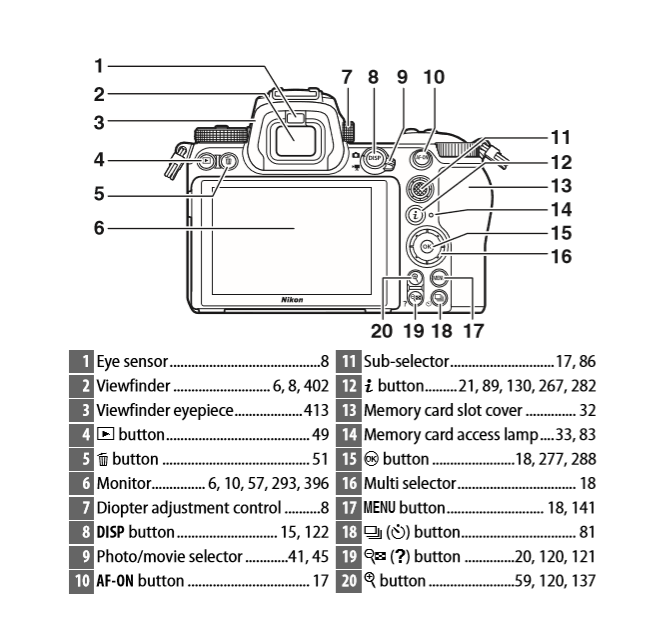
Having been used to this for so long, it seems a little ridiculous to have to turn on the screen, go into the menus and find the « Reformat Memory Card » prompt. There are certainly enough buttons on the back of the damn camera… And like I say, this can’t really be corrected in a firmware update as the logos on the buttons would have to be added somehow.

2: Illuminated rear buttons

This is something I had for the first time on the D500 and then the D850 and frankly for someone who works a lot in dark or badly lit situations, it can be a huge help. Again, something else impossible to correct in firmware.
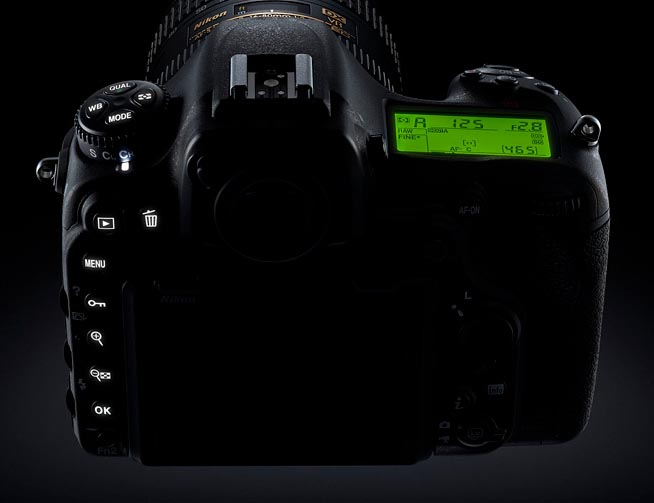
I can’t help asking myself questions regarding the future of the current Z series offerings. Were these two versions ‘rushed out’ to claim market share before Canon, and will now be ‘evolving’ with little add-ons from time to time? Will the Z8 or Z9 be announced with grand pomp « And on this model there are illuminated buttons etc. »

3: Virtual Horizon

This is displayed as one of the functions available on the ‘Disp‘ button at top right near the viewfinder, and not, as you would expect, as a programmable menu function. I find this awkard as it’s something I use fairly often, particularly with ultra-wide angle lenses. and it’s a pain to have to scroll through the display functions. This, unlike the previous elements, could be arranged with a firmware update.

Are Nikon waiting for the first feedback before launching the next generation of these bodies? I personally find this hard to believe – yes, of course they do listen to their user base, but anything coming out now went to design at least two years ago, in my experience. As it is I’ve already been in contact with Nikon France with two annoying ‘problems’ which while they aknowledge the existance, can not offer solutions…yet…

Will there be a more fundamentally ‘pro’ body in the future? A sort of D6/Z? In many ways I’m surprised that Nikon weren’t able to engineer the FTZ lens adaptor with an internal motor to drive the AF feeler – to enable us to use older AF-D lenses with full autofocus. I doubt this is a priority as Nikon know that people LOVE buying new lenses, so why make it so easy to use the older ones. As the electronics are already present in the camera body, and if Nikon aren’t interested, a third party manufacturer could come up with an FTZ-2 which could do this… I for one would be interested!
I may have found an answer…

…to the ‘grip’ or size problem of the Nikon Z 6 camera body.

I was looking around eBay, as one does, and I came across this

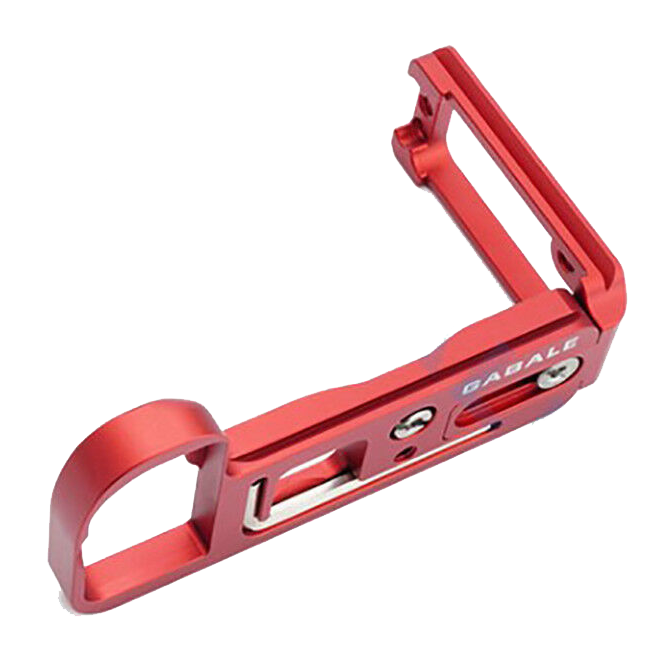
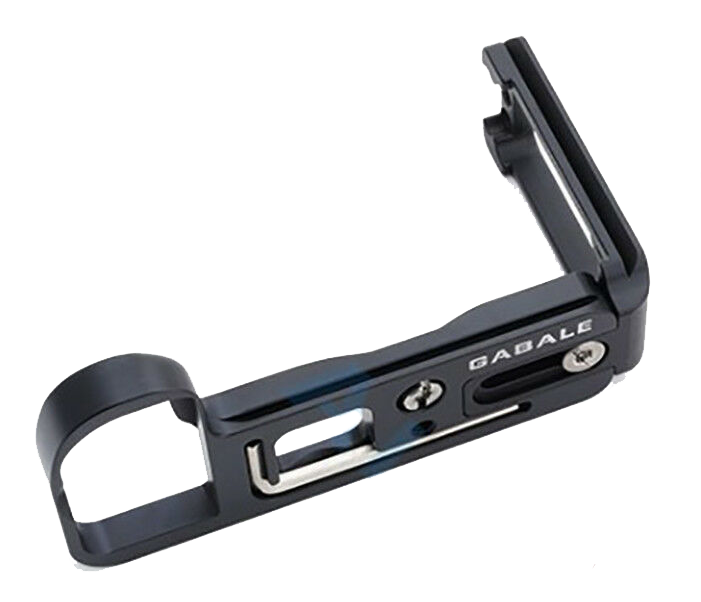
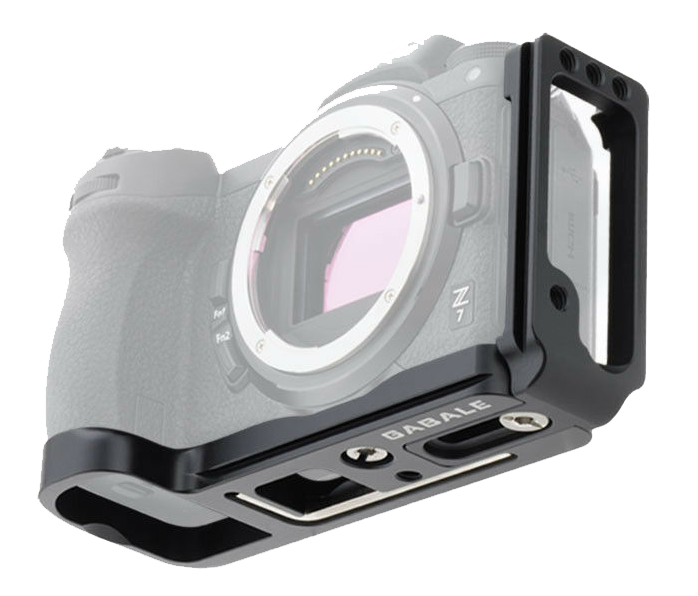
GABALE ‘L’ plate for Nikon Z series

This is a slightly larger ‘L’ plate (with the two Arca-Swiss type tripod mounts) than the one I had already purchased from China. The advantage of this one is that as it covers the entire base plate, and as such it gives about 1cm extra ‘depth’ underneath the hand grip (which should stop my little finger ‘falling off’…)


GABALE’L’ plate for Nikon Z series

This version cost a little more at 49€ (port inclus) which is almost double the price of the previous ‘Chinese’ version that I purchased a few weeks ago, but if it gives the extra reach that I need, I feel it will be money well spent. I can’t help but think that they have really ‘designed’ this very sensibly – the vertical arm can be adjusted in relation to the vertical part of the camera body (to allow easier access to the HDMI/USB ports etc.) and the hex key that is used to tighten the mounting screw/s can be stored in a slot designed for it underneath the plate. This will no doubt be soon be stamped ‘RRS’ and sold for 5 times more in the very near future…

Mine should be arriving from China in the next few days….more on this then.

PS. Also available in RED….I must say I was tempted…

UPDATE :- it has just arrived and I must say it’s VERY well made and….most importantly, it gives that extra few millimeters of depth below the hand grip to prevent my little finger falling off. (Well, losing grip – I doubt it will fall off completely…I know I’m getting old but even so…)

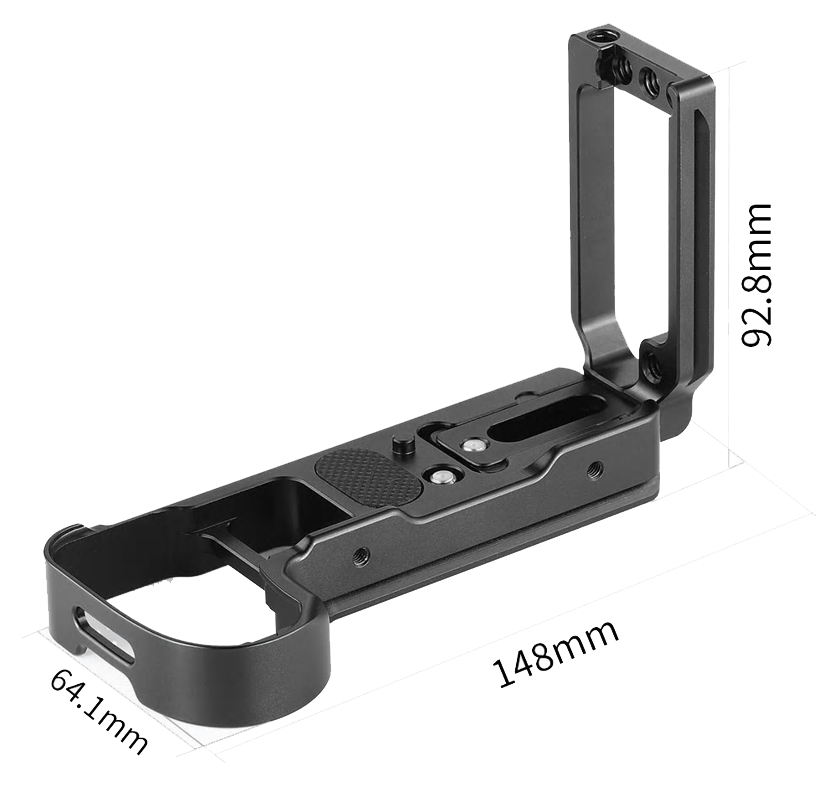
Smallrig are another Chinese company that produce some very nice looking material for cameras. They have their own version of this ‘L’ Plate which looks very slightly deeper, giving perhaps slightly more to rest my ‘pinkie’ finger on…

Smallrig 2258

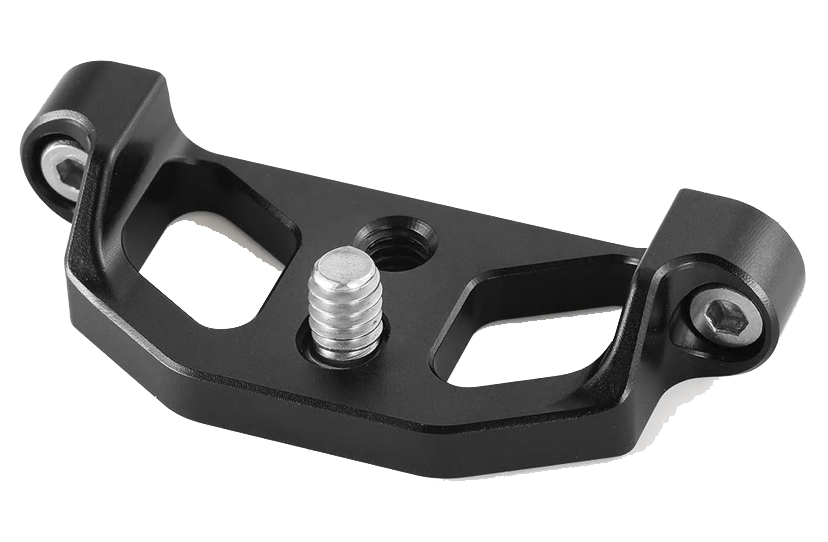
Interestingly Smallrig have gone one step further and produced a support for the Nikon FTZ lens adaptor – this screws into the front of the plate above and also has a screw that screws into the tripod socket on the FTZ.

Smallrig 2244

The ‘L’ plate is priced at 61€ and the support at 21€

I still can’t help thinking that these are all churned out on a computer controlled lathe setup somewhere in Shenzen….and then sold to the highest bidder!

The first niggles…

As I seem to be using almost exclusively the Z 6 at the moment, it’s not unusual that I’m coming across the first few niggling problems or errors. This is a ‘new’ system, albeit built on existing technology, and therefore I would be foolish to expect it to be perfect straight-off. Close, but no big cigar…

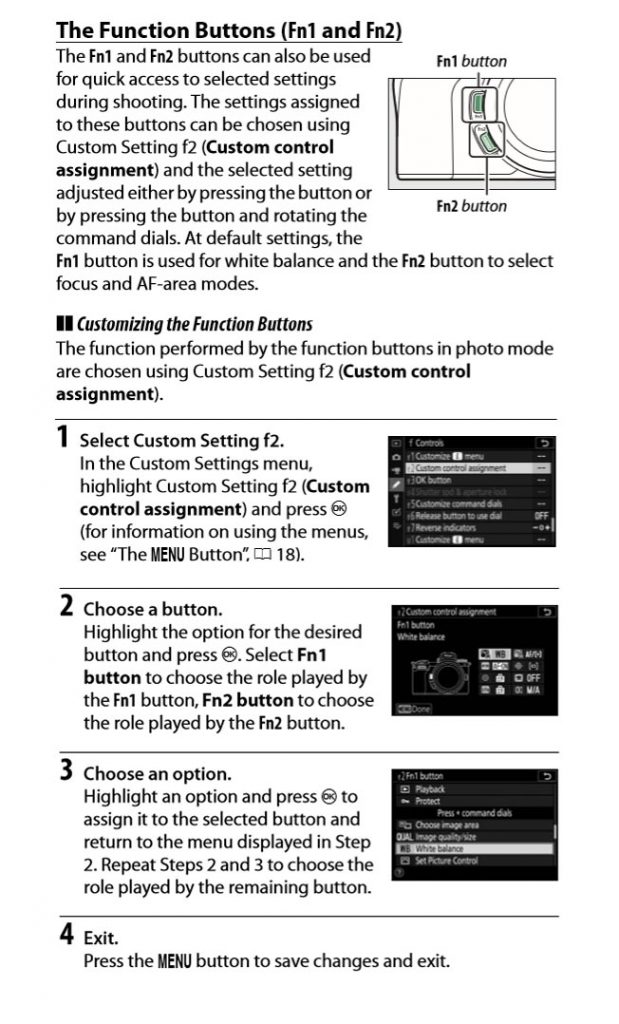
The first problem I encountered was when I tried to setup one of the function buttons (F1, F2 etc.) to display Peaking Highlights. This is a function which is used with manual focus lenses to show when elements within the viewfinder are in focus.

Nikon Manual – how to setup a Function button

Well I followed all the instructions – the function button had it’s value reassigned – then I turned the camera off. When I turned it back on again the function button had reverted to it’s default value.

I tried a few different ways of recording the change but nothing worked…until I tried to save the modifications as a User setting (U1 in this example) The User settings (U1, U2 & U3) are selected using the dial top left of the camera body, and are a way of saving a series of often used values to be recalled easily.

I contacted NIKON France and they thanked me, said they too had tried this as a fix and that they would pass the information back to NIKON Japan.

My next niggle is possibly the more important of the two… and concerns the tiny joystick called the ‘Sub Selector’ top right of the rear screen (N° 11 in the diagram)

I just can’t help touching this damn thing – and as it’s main ‘raison d’être’ is to move the auto-focus point around the screen, I sometimes end up with the camera focusing on something I’m not even looking at.

It seemed perfectly reasonable to me that I could turn this function off – wrong!

I discovered that while I could assign a different function to the center button , I couldn’t stop the ‘joystick’ action – which means the AF point is constantly in a different place to where I want it (in the middle) – fortunately the AF point marker shows a tiny dot when it IS in the middle of the frame, so it’s easy to see it if has moved.

So, another series of mails to NIKON France who admitted that I was not alone in asking for this to be modified to be able to turn it off. Again, they will send all these demands to Japan and perhaps, in a few years time, we’ll get a firmware update to correct these bugs.

Is size so important?

Well of course this rather largely dépends on what we’re talking about…and as this is essentially a ‘photo’ blog, and I’m talking about the relative size of camera bodies, then YES, it is.

Going back to cameras bodies designed for rolls of 35mm film, the Leica was about the smallest you could practically build, given that after you build a camera body, you then have to use it, so holding the damn thing is pretty important. The idea of having the film cannister + shutter + film bobin alligned horizontally just seemed to make perfect sense – and continues to this day, although without the physical constraints of a ‘film’ we could certainly design the external shape in a multitude of ways.

Design ergonomics change with each manufacturer, thankfully, and over the years I have become used to the ergonomics of the Nikon design, be it the film cameras (F, F2 etc.) or the more recent digital (DSLR) breed. I personally don’t find Canon, for example, to be as ‘easy’ to hold but then that’s probably also due to the fact that I’m not used to doing this – I feel sure a few days with a Canon DSLR and I’d be able to do everything I currently do with any of my Nikon camera bodies.

The overall size is however changing, and with the advent of the new ‘Hybrid’ mirror-less cameras, the designers are now able to trim off a few superfluous millimeters here and there, but sadly the ergonomics are already starting to suffer. A camera has to be comfortable to use, otherwise I won’t be able to use it for a long period, for example, a festival where I’m holding a camera for upwards of 6 hours at a stretch.

My new Nikon Z 6 is great – it really is – but…I have to admit that with my largish hands, it could do with it being a little longer (or deeper, depending on which way you see this) as the little finger on my right hand seems to ‘fall off’ – it hasn’t got anything to grip onto.

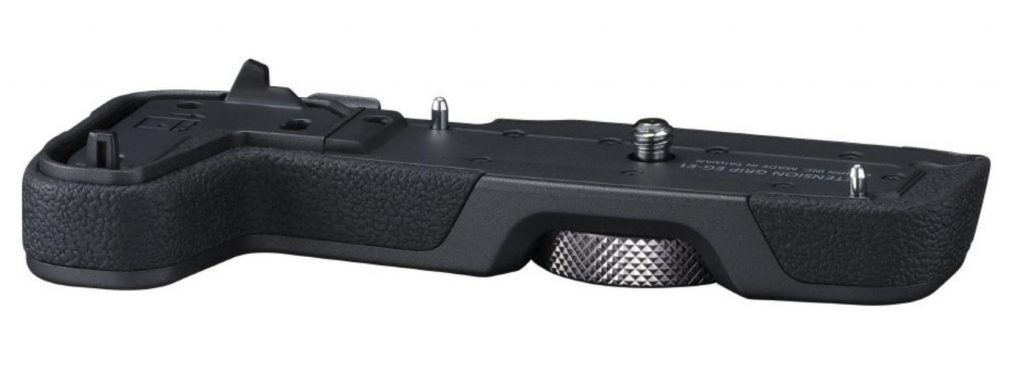
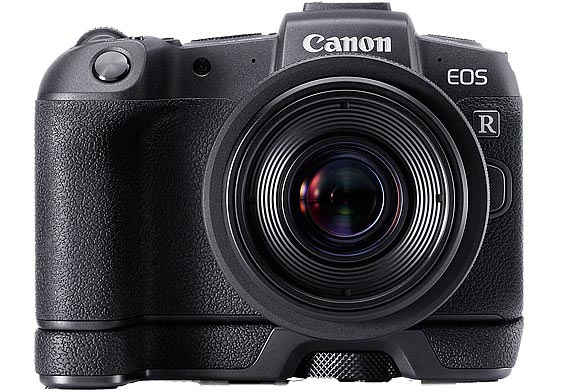
I know that there are rumours of a supplementary battery pack, which will bolt on to the bottom of the body – this will be very useful to me, and not only from an ergonomical aspect. Canon have just announced a new full-frame hybrid camera body, the EOS RP, and one accessory for this model will be the EG-E1 grip – it is simply an aid to holding the camera – no extra batteries, memory card etc. (Although I would see that as an obvious addition…)

EG-E1 grip for the EOS RP
Canon EOS RP with EG-E1 grip

Are you listening Nikon?

Side by Side Size comparison

Nikon Z 6 or D850?

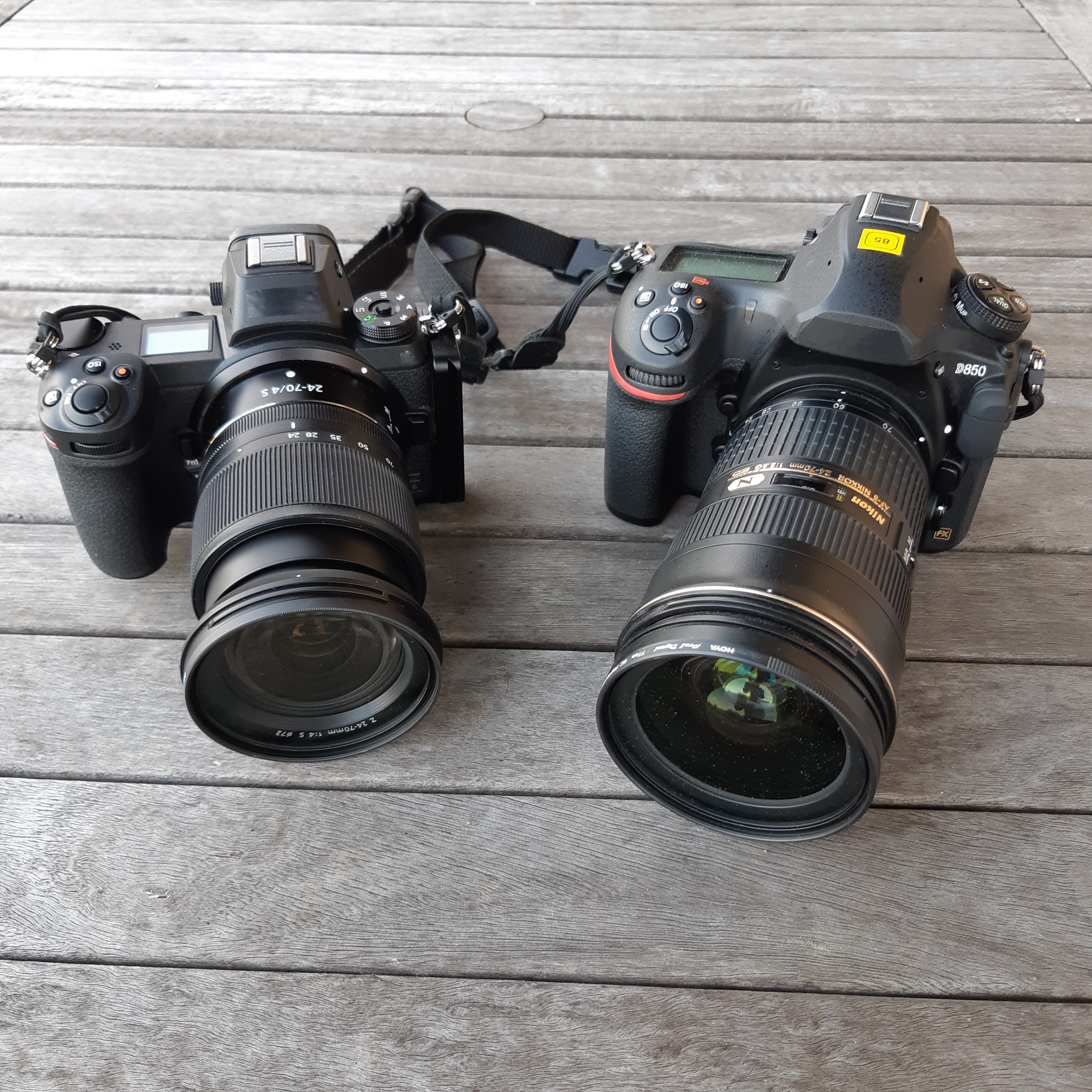
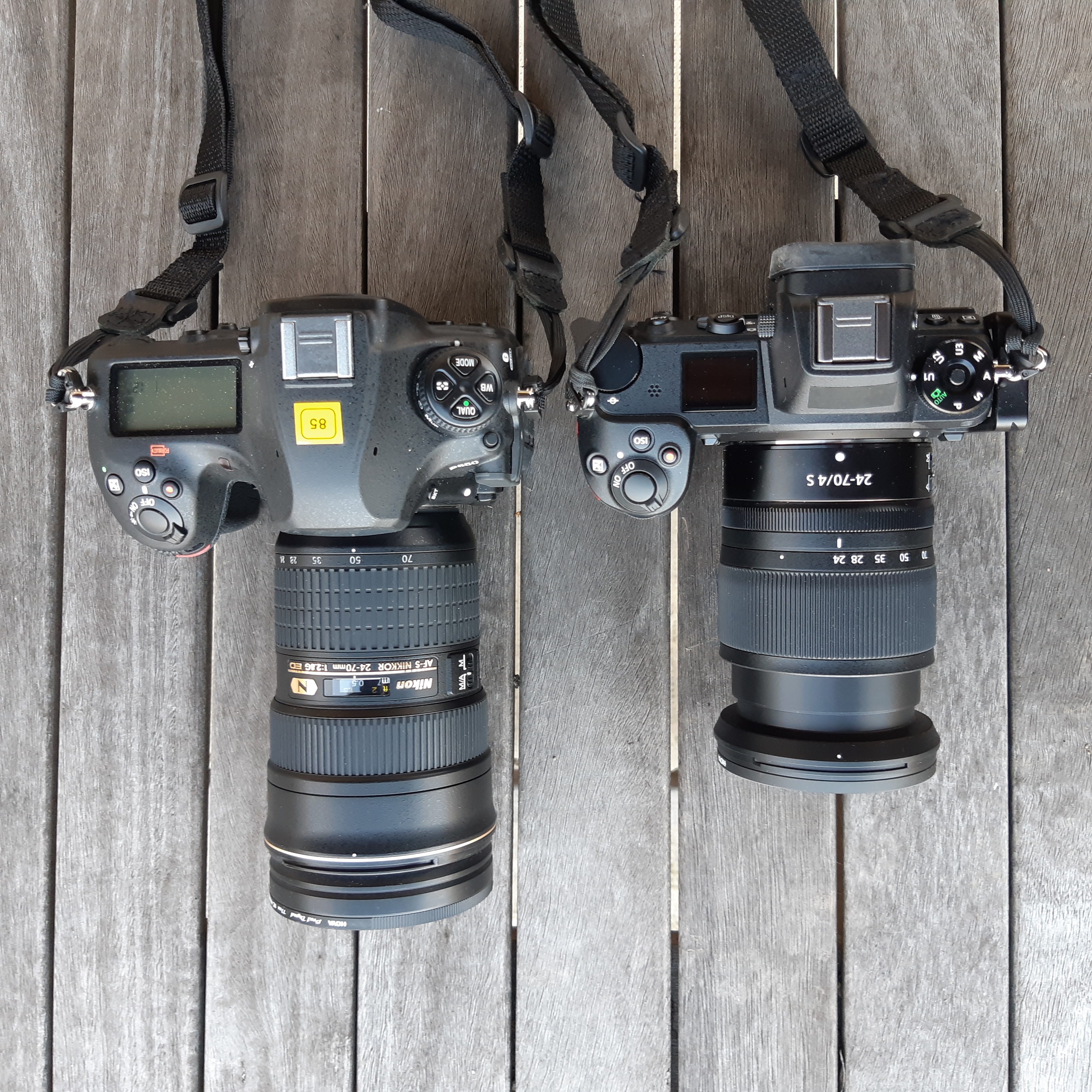
They’re both full-frame (24×36) sensors, but they are not at all the same dimensions physically. An example

Nikon Z6 and D850 (left) – both with their respective 24-70mm zoom lenses.

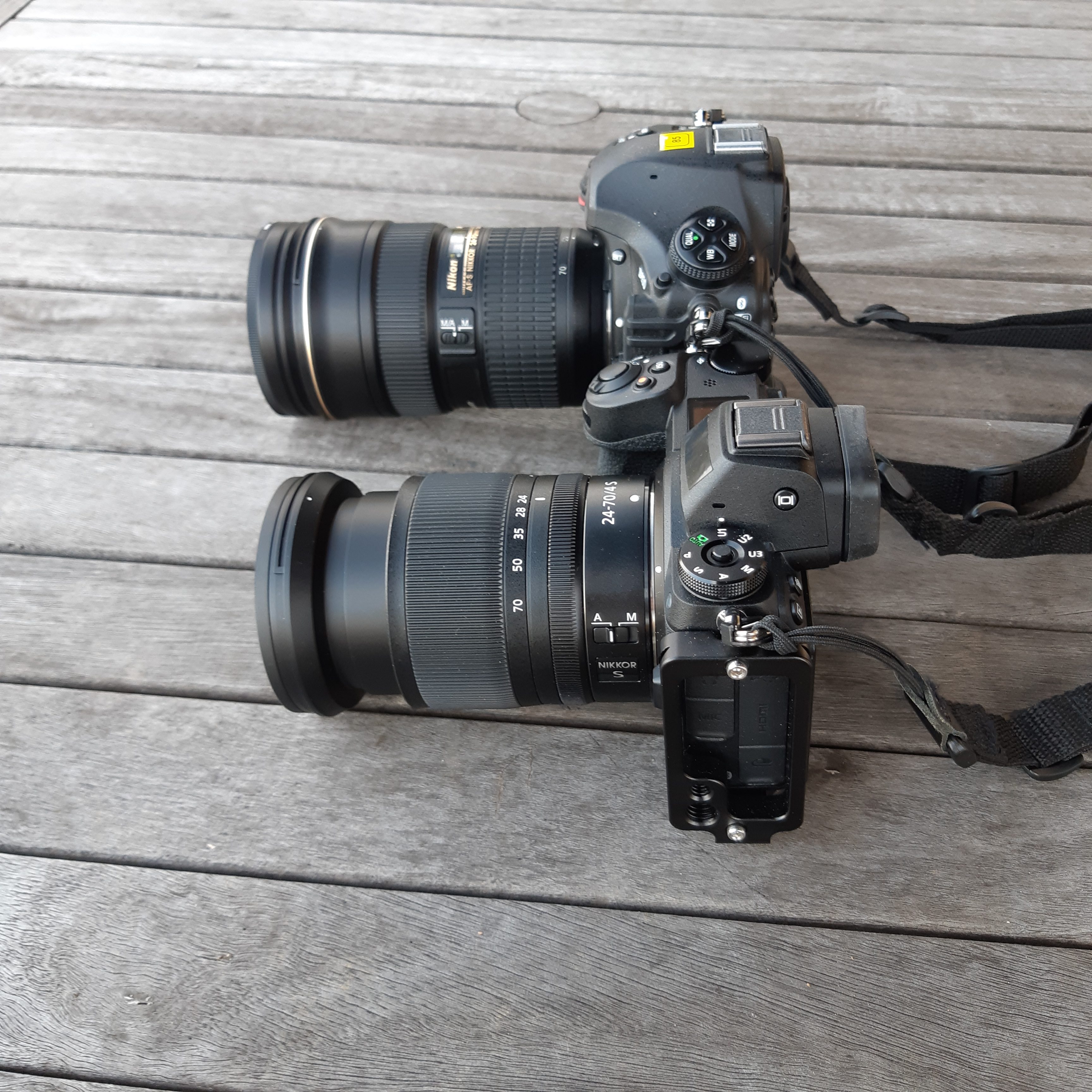
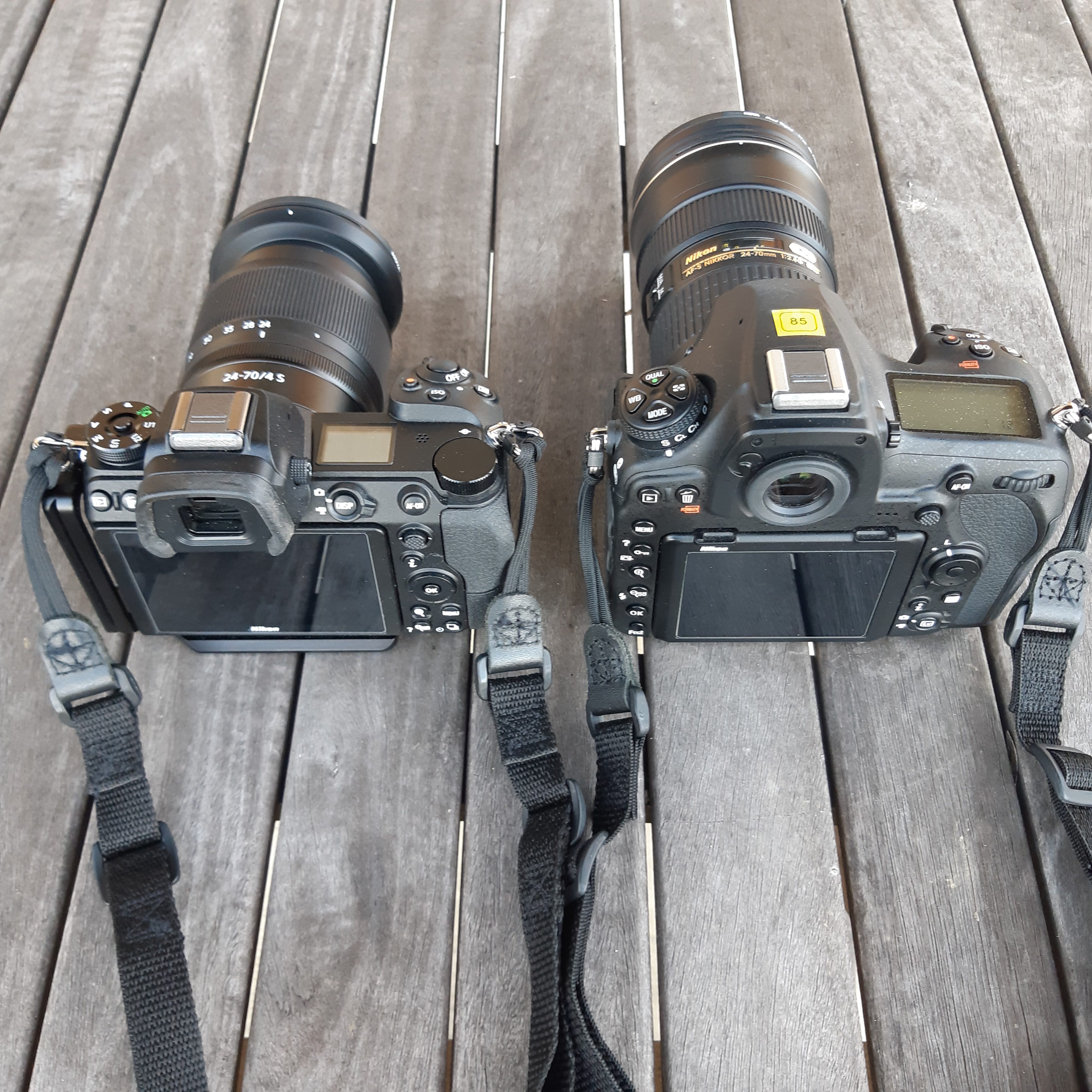
Here are two 24×36 format cameras, the Z 6 with a 24mp sensor, the D850 with a 45mp sensor. The lenses are ‘almost’ identical – the smaller one is an f/4 which explains, to some extent, the smaller size, and weight.

Nikon D850 and Z 6 (right)

This image gives a slightly better idea of the overall difference in size, both of the camera bodies and the lenses.

Nikon Z 6 (foreground)

And finally…

Nikon Z 6 (left)